Optimal Timing for Slab Jacking
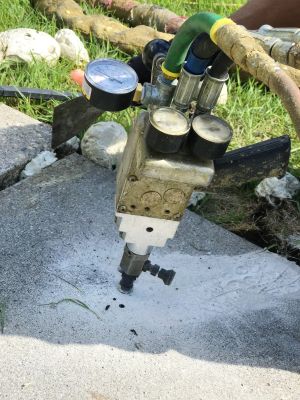
Spring offers moderate temperatures ideal for slab jacking, reducing the risk of cracking or shifting.
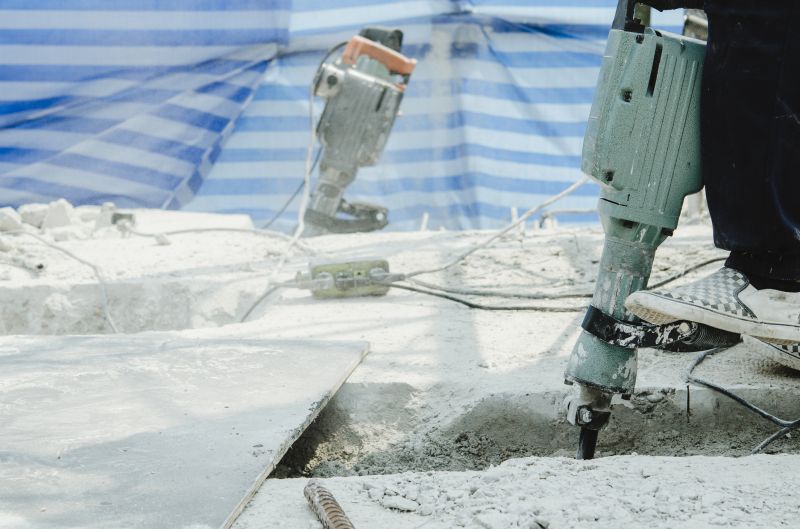
Late fall provides cooler weather conditions, minimizing the impact of extreme heat or cold on the process.
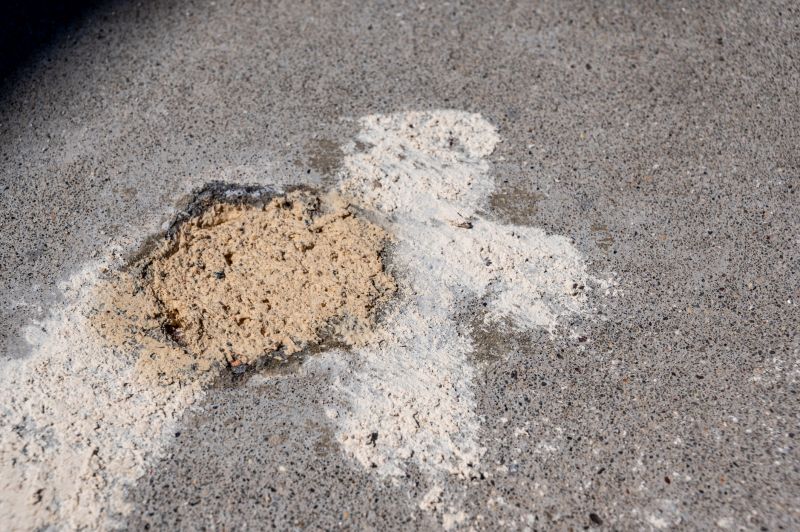
Periods with minimal rainfall ensure stable soil conditions, which are crucial for effective slab jacking.
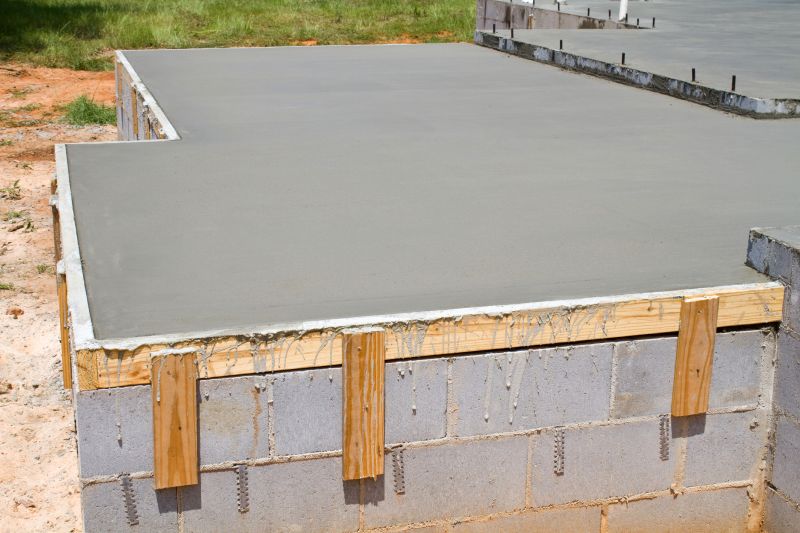
Ways to make Slab Jackings work in tight or awkward layouts.
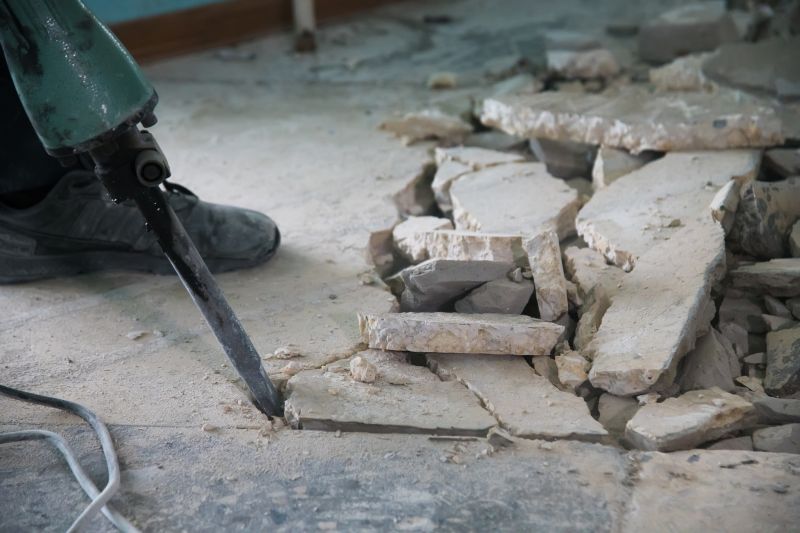
Popular materials for Slab Jackings and why they hold up over time.
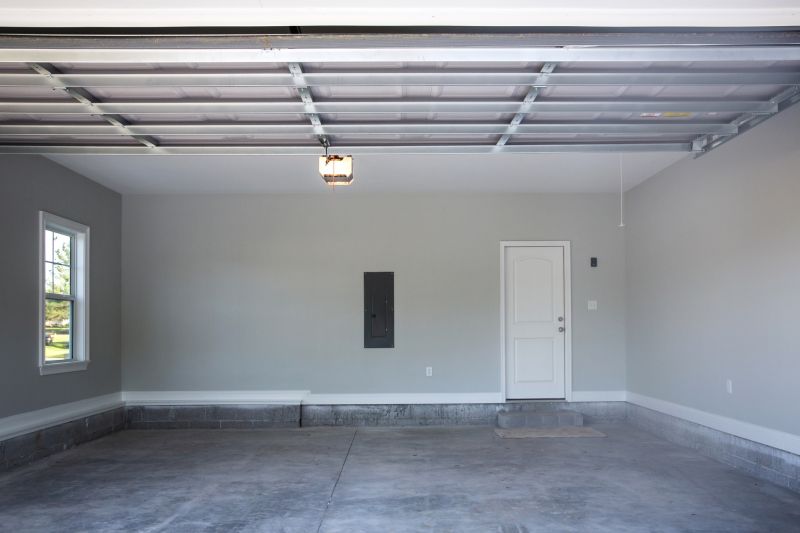
Simple add-ons that improve Slab Jackings without blowing the budget.
High-end options that actually feel worth it for Slab Jackings.
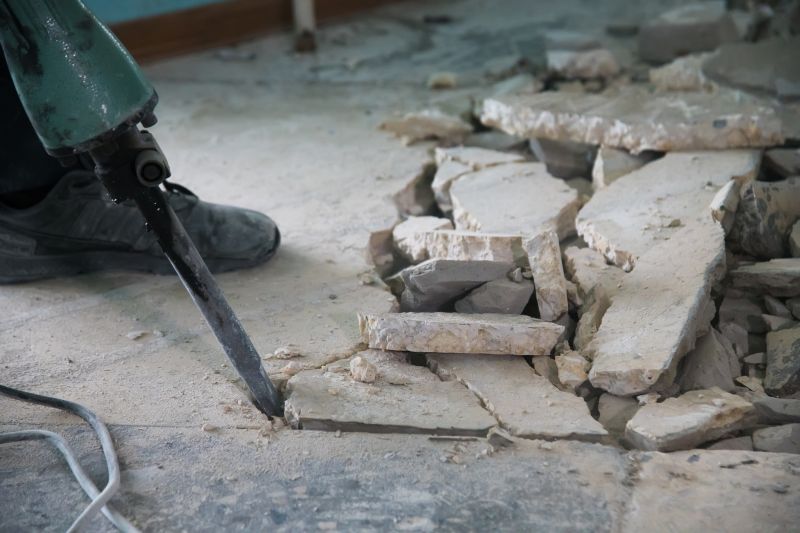
Finishes and colors that play nicely with Slab Jackings.
Slab jacking is a repair method used to lift and stabilize sunken concrete slabs, such as driveways, sidewalks, and patios. This process involves injecting a grout mixture beneath the slab to raise it to its original position. Proper timing of slab jacking can enhance the longevity of the repair, prevent further settling, and reduce the need for more extensive repairs later. Factors influencing the best timing include weather conditions, soil moisture levels, and temperature fluctuations.
Statistics indicate that performing slab jacking during moderate weather conditions can extend the lifespan of the repair by up to 30%. Extreme cold or heat can cause the grout to cure improperly, leading to potential re-settling. Additionally, soil moisture content impacts the stability of the ground beneath the slab, making dry or consistently moist conditions preferable for the procedure.
Between 50°F and 85°F is optimal for slab jacking to ensure proper grout curing and adhesion.
Consistent moisture levels help maintain soil stability, reducing the chance of future sinking.
Avoiding extreme weather, such as freezing temperatures or heavy rain, is recommended for best results.
Spring and fall are generally preferred due to milder temperatures and stable soil conditions.
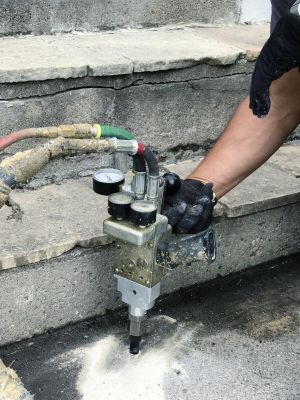
Ideal for moderate temperatures and stable soil conditions.
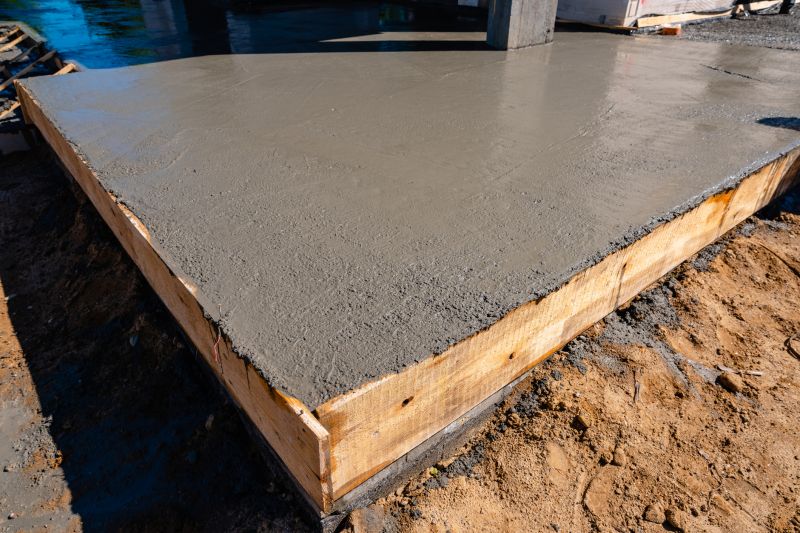
Performing slab jacking in early summer can be effective before extreme heat sets in.

Late fall offers cooler temperatures and less moisture fluctuation.
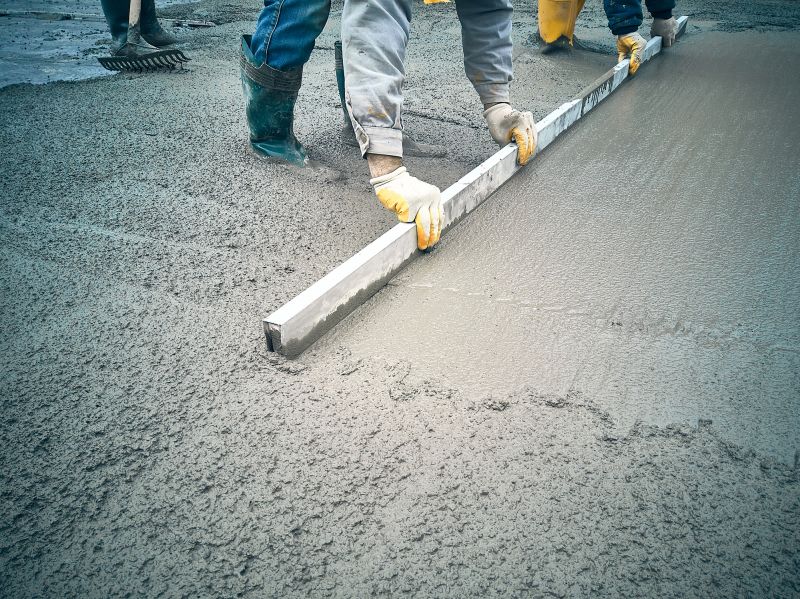
Cold temperatures and frozen ground make winter less suitable for slab jacking.
Little measurements that prevent headaches on Slab Jackings day.
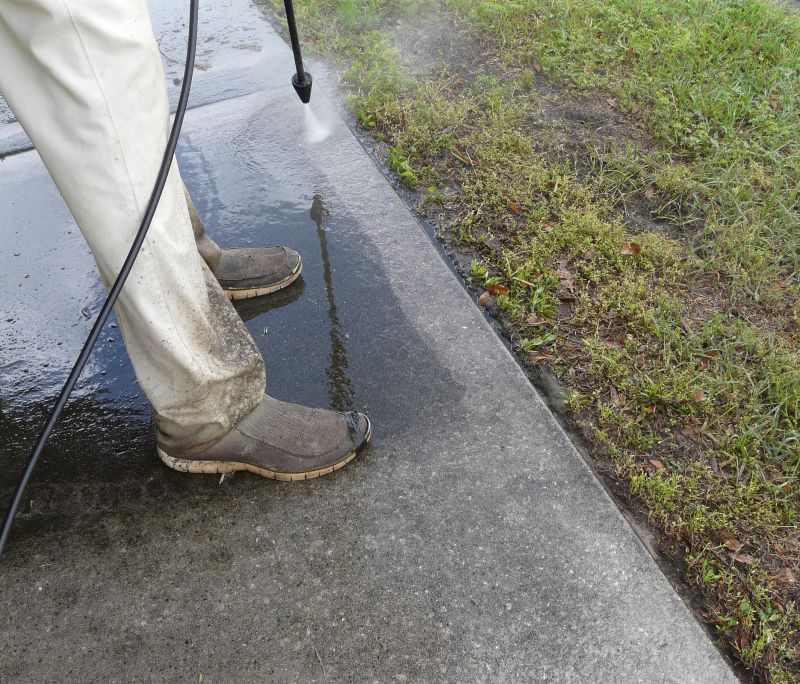
A 60-second routine that keeps Slab Jackings looking new.
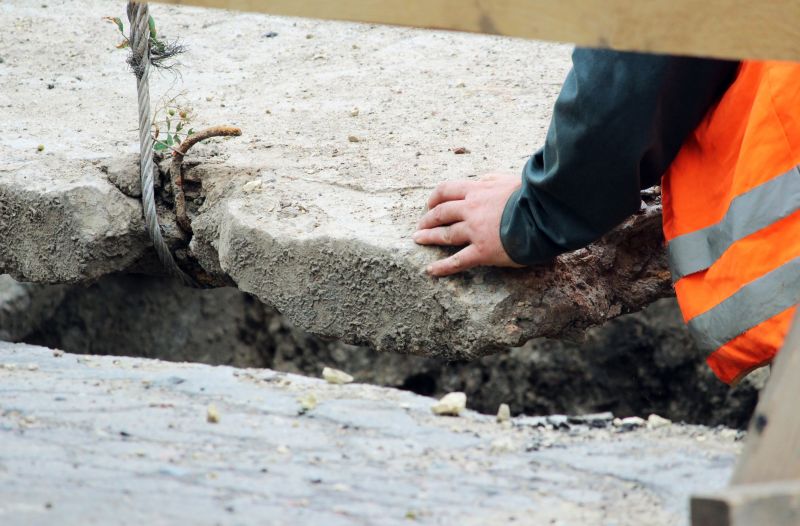
A frequent mistake in Slab Jackings and how to dodge it.
Small tweaks to make Slab Jackings safer and easier to use.
| Season | Recommended Conditions |
|---|---|
| Spring | Moderate temperatures, stable soil moisture |
| Summer | Early summer preferred, avoid extreme heat |
| Fall | Cooler temperatures, consistent moisture |
| Winter | Not recommended due to freezing ground |
| Post-Construction | Optimal after initial settling period |
Choosing the right time for slab jacking can lead to more durable repairs and minimize the risk of additional issues. Consulting with a professional can help determine the best timing based on local climate and soil conditions. Proper planning ensures that the process is performed under optimal circumstances, maximizing effectiveness.
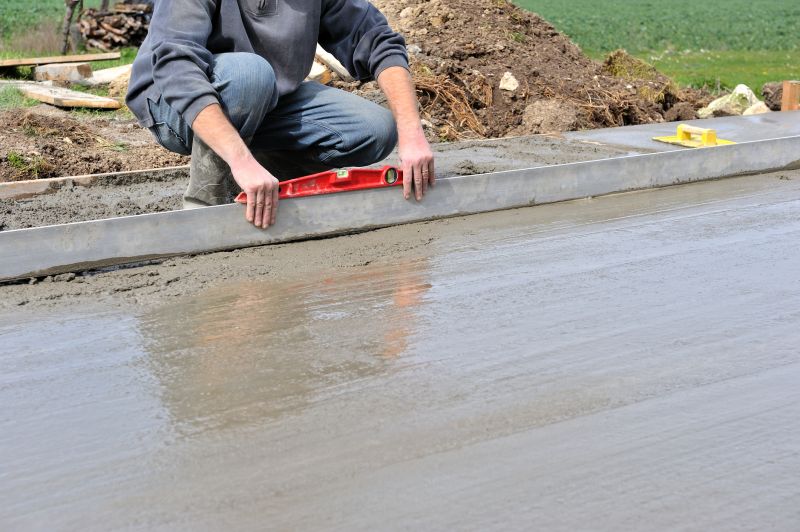
Ensure soil is not overly saturated to facilitate proper grout curing.
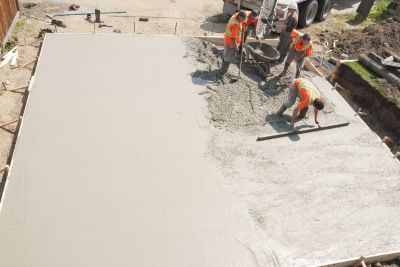
Perform slab jacking early in the season to avoid heat-related curing problems.
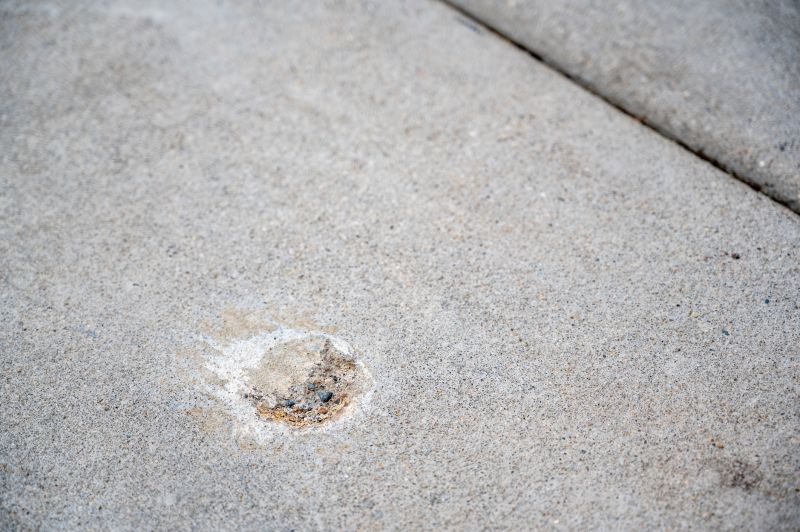
Schedule before temperatures drop significantly to ensure effective repair.
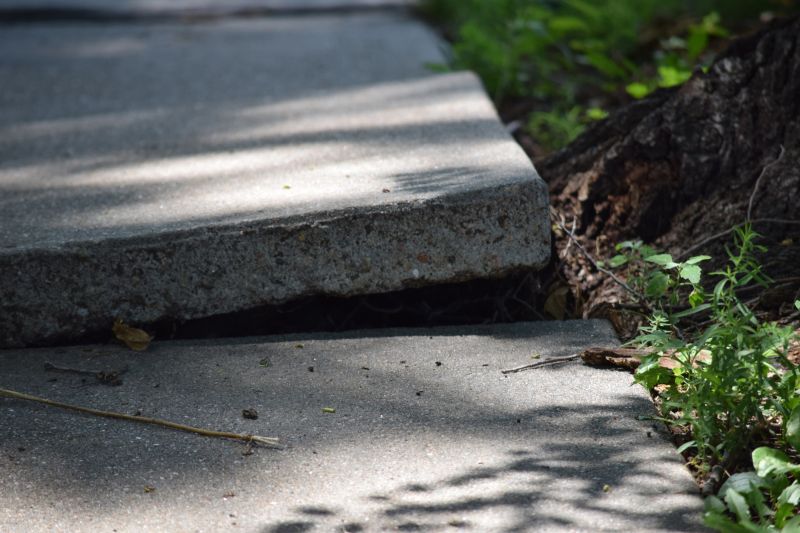
Frozen ground and low temperatures hinder the process and outcome.
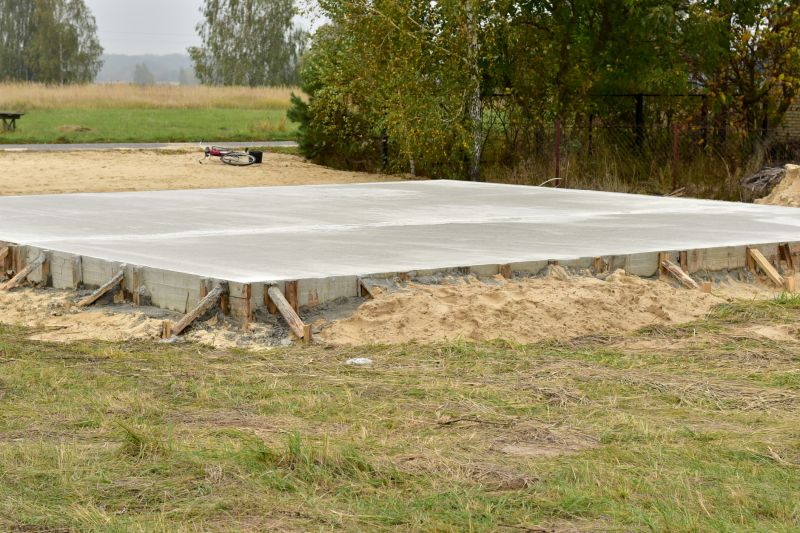
Lower-waste or water-saving choices for Slab Jackings.
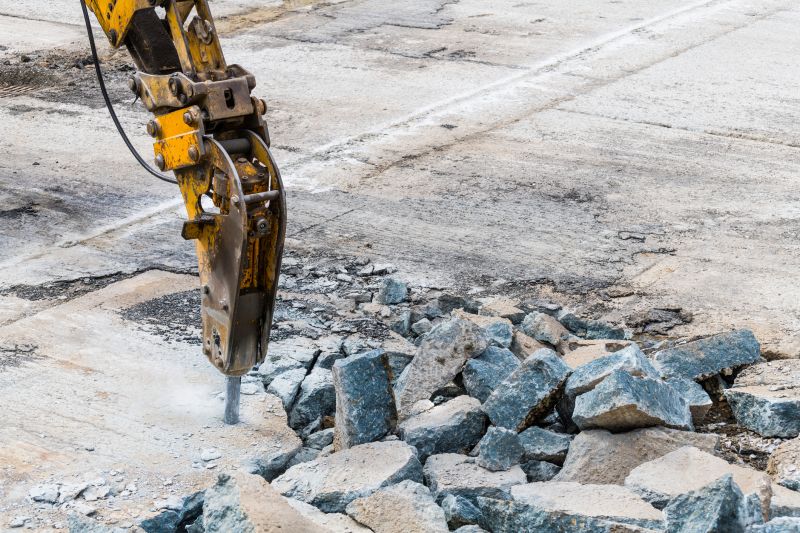
The short, realistic tool list for quality Slab Jackings.
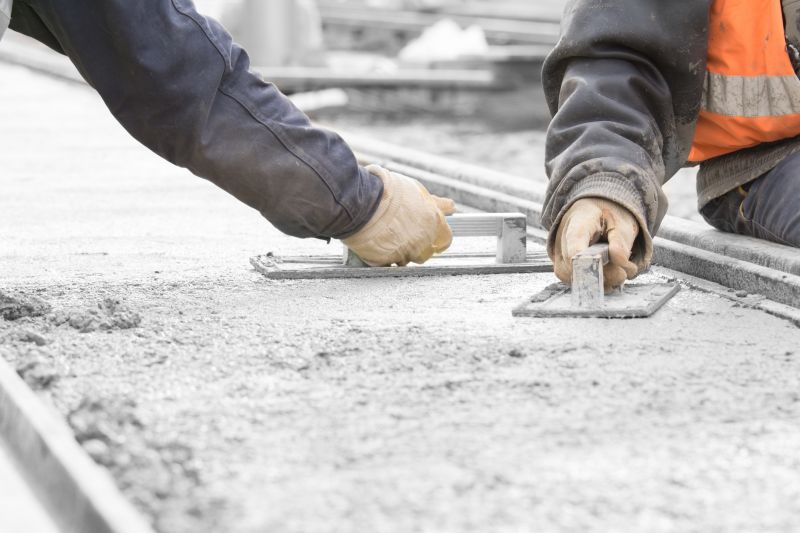
Rough timing from prep to clean-up for Slab Jackings.
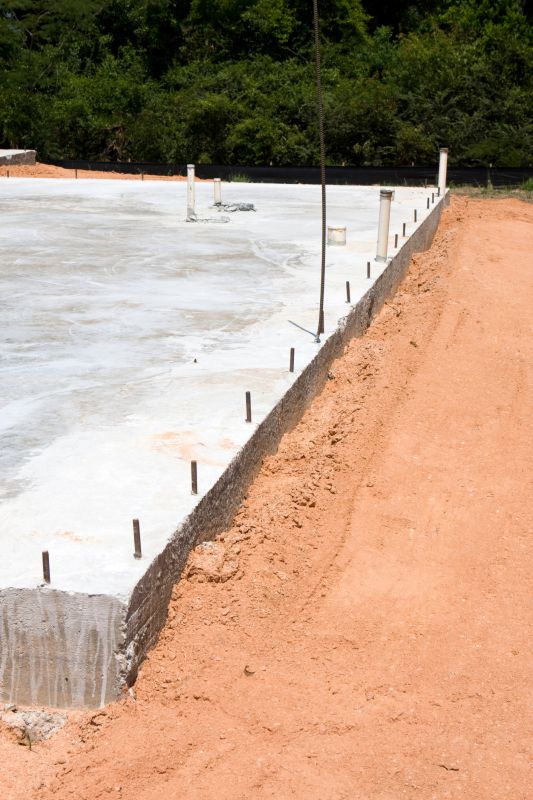
Quick checks and paperwork to keep after Slab Jackings.
Interested parties are encouraged to contact for more information about scheduling slab jacking at the most suitable time. Proper timing can enhance the durability and effectiveness of the repair, preventing future settlement issues.